African masquerade heritage
Stories carried
through mask, movement, and art.
Afrika Masq explores African masquerade traditions through researched cultural stories, original commissioned artwork, and educational pathways that honour living heritage.
Featured collection
Masquerades as living archives.
Start with the visual artistry, then move into the histories, performances, symbolism, and the communal significance each masquerade embodies.
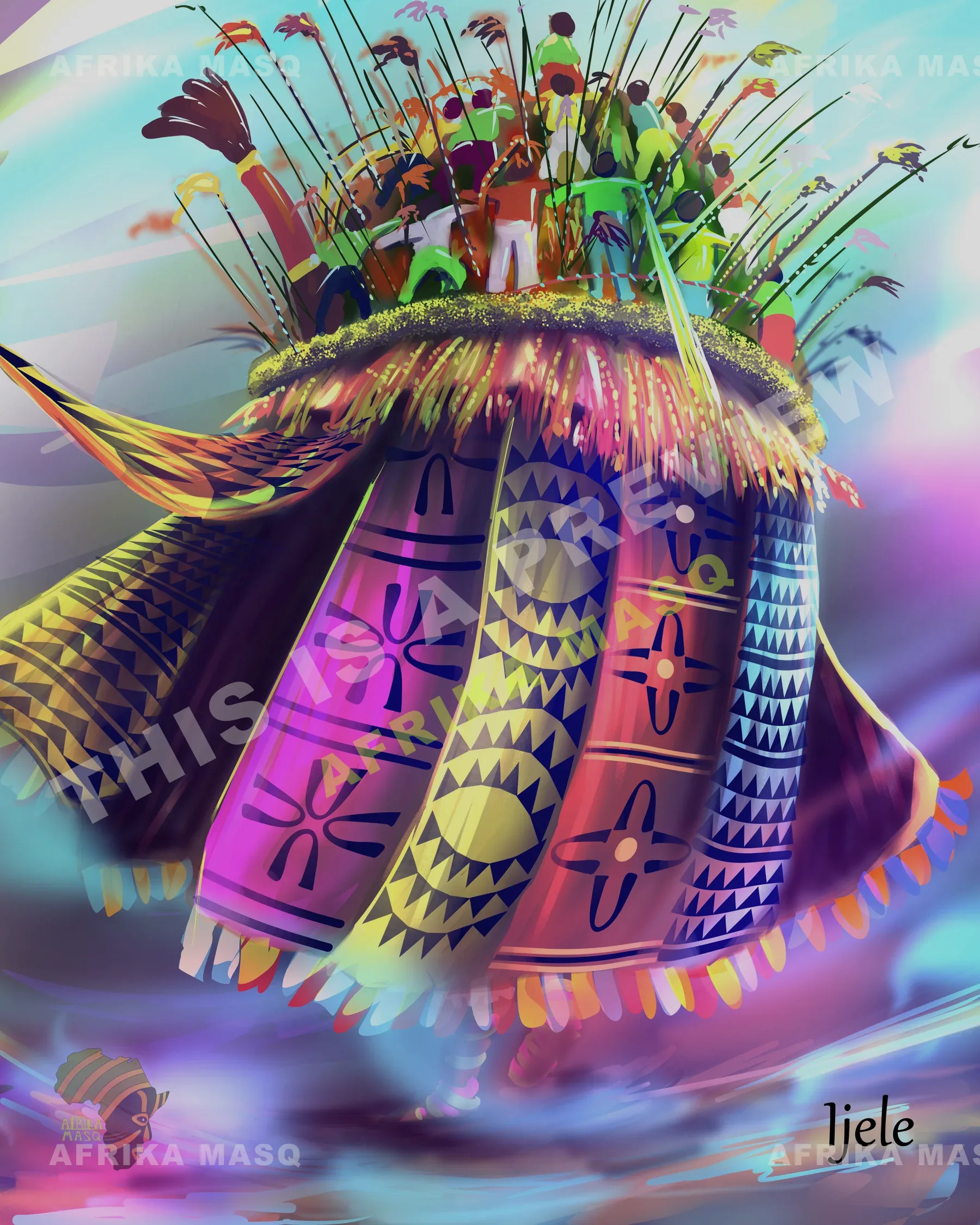 Ijele
IjeleOrigin: Nigeria (Anambra / Igbo culture)
Ijele
Ijele is a monumental Anambra Igbo masquerade, often described as the king or mother of masquerades because of its scale, preparation, and ceremonial authority.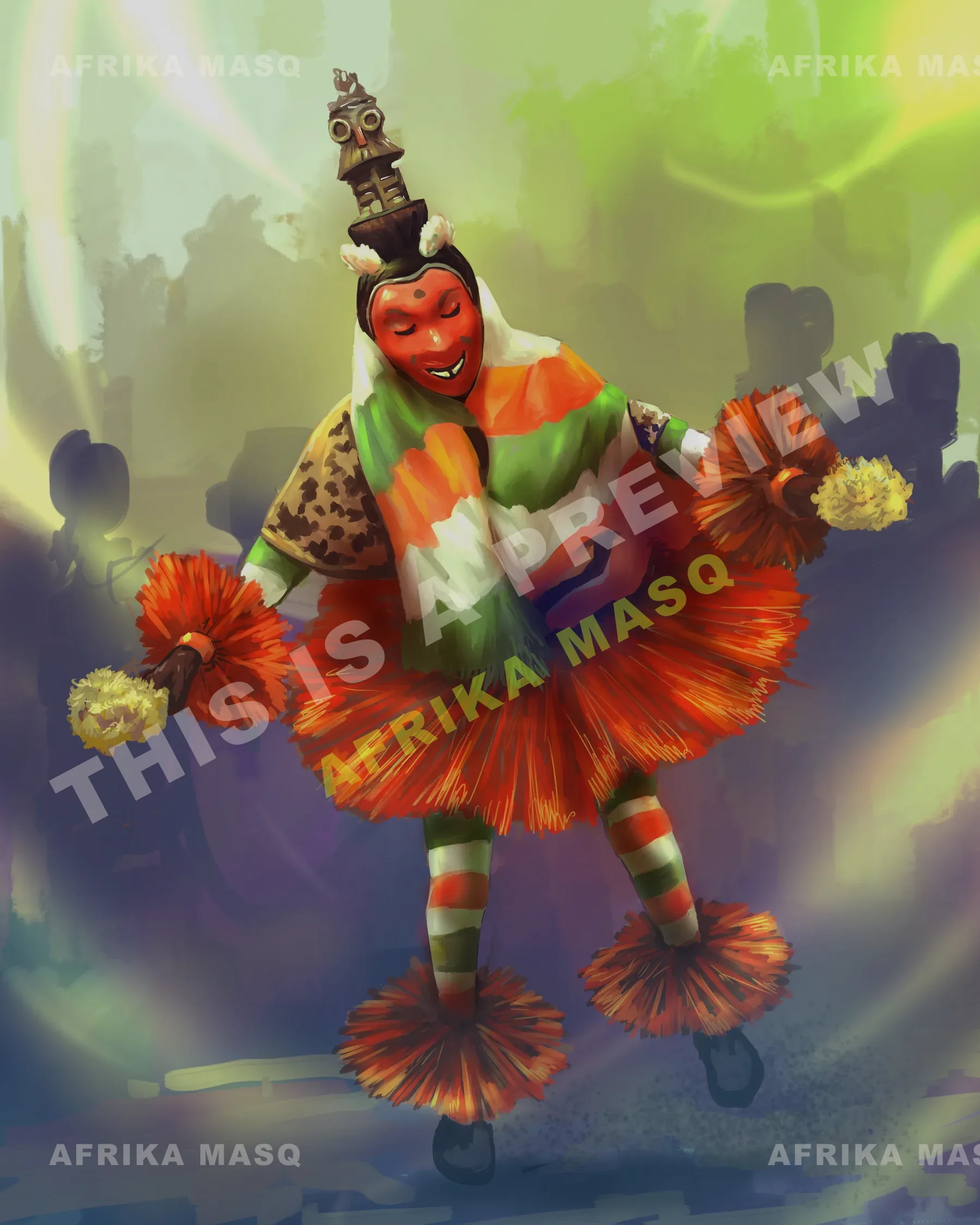 Zaouli
Origin: Cote d'Ivoire (Guro communities of Bouafle and Zuenoula)
Zaouli
Zaouli is a Guro masked music and dance practice from central Cote d'Ivoire, famous for the contrast between a serene female mask and astonishingly fast, precise footwork.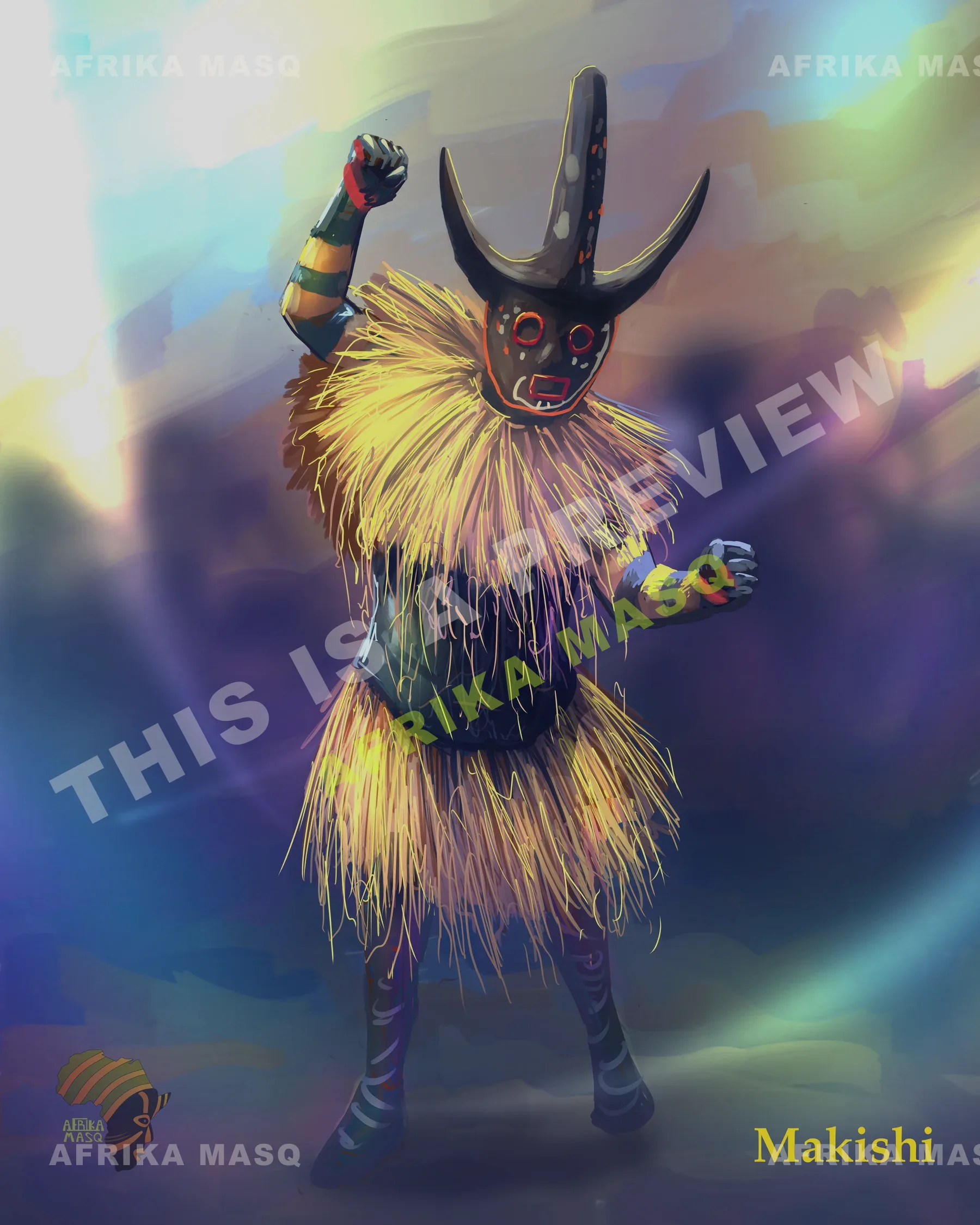 Makishi
Origin: Zambia (Luvale, Chokwe, Luchazi, and Mbunda communities)
Makishi
Makishi is a Zambian masquerade tradition connected to mukanda, public return, masked characters, music, teaching, and the reintegration of initiates into adult community life.Cultural archive
Stories with rich cultural history.
Masquerades are living archives of music, movement, memory, craft, spirituality, and public life. Afrika Masq gives each figure room to be understood beyond surface beauty.
Through researched notes and original visuals, the project invites readers, learners, collectors, and partners to encounter the stories behind the image with care.
Explore
Learn the story, origin, symbolism, and living context of each masquerade.
Learn
Follow researched cultural notes, source-backed profiles, and future lessons shaped for curious readers and educators.
Sustain
Support the research, documentation, artwork, and review work that keep the archive growing with care.